top of page
.png)


When Farewell Becomes a Struggle: Beethoven’s Les Adieux
Why does Beethoven’s Les Adieux move from a sad, reflective farewell to a fast and restless development? Tiger explores the emotional tension behind the music and the technical challenge of playing fast, evenly and accurately.
Oct 11
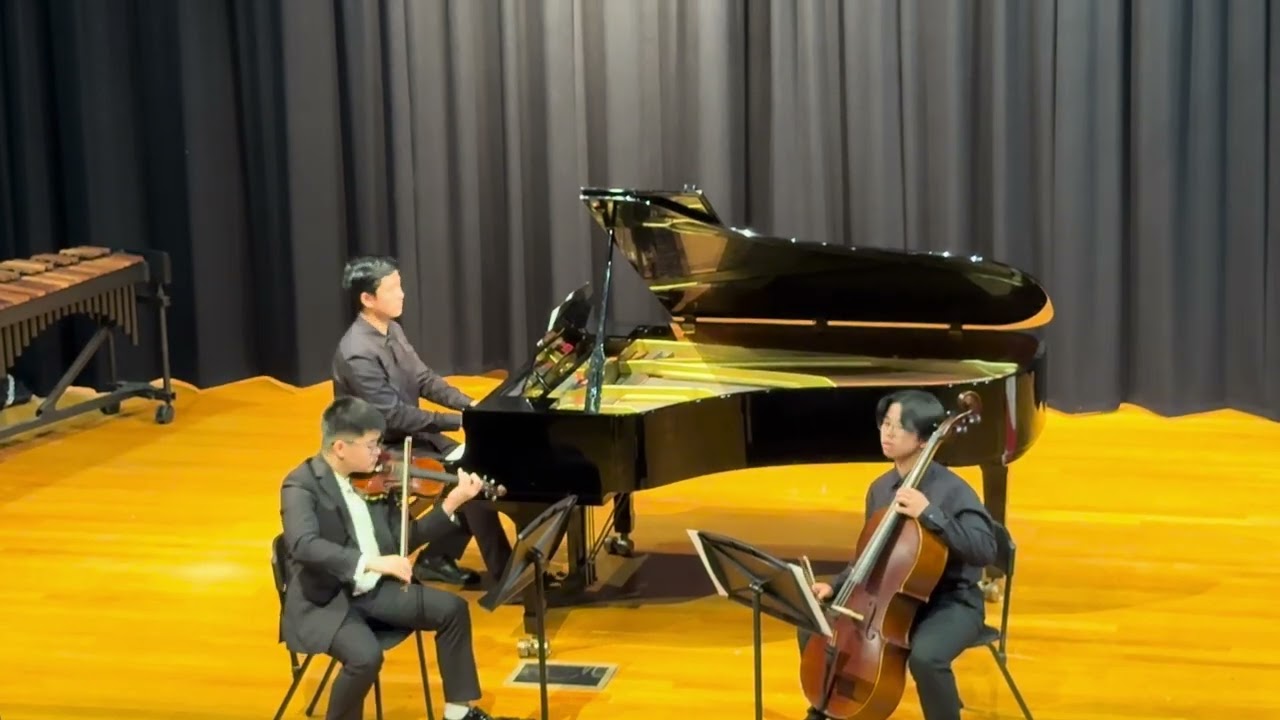
The Power of the Piano: Playing Beethoven’s Piano Trio in a New Hall
Playing the same Beethoven trio in a different hall made me hear the piano differently, crisper, more powerful, and surprisingly different in the softer sections. During rehearsal, we adjusted the tempo, made more eye contact and gradually became more connected as an ensemble.
Sep 28


The Piano Beethoven Knew
Performing Beethoven’s Op. 1 No. 3 on a fully open grand piano made me think differently about the instrument Beethoven knew. A lighter touch, the balance between three voices, and the acoustics of each performance can change the musical conversation in ways that cannot always be predicted in advance.
Sep 11


Reading Beethoven #5 - Why C Minor Trio? Beethoven, Haydn and the Sound of Something New
Why C minor? Beethoven’s Op. 1 No. 3 reveals a composer testing the boundaries of Classical tradition. Exploring Haydn, C minor, and the emergence of Beethoven’s distinctive musical voice.
Sep 4


Beethoven at Lunchtime: Piano Trio Op. 1 No. 3 finale
Performing Beethoven’s Piano Trio in C minor, Op. 1 No. 3 was especially meaningful after exploring the story behind his decision to publish the trios as his Opus 1. Listening, balancing and responding to the other musicians gave me a new perspective on Beethoven’s music and the privilege of bringing it to life in performance.
Aug 28
bottom of page